

The Good Catch
Nobody corrects the boss over a hunch.

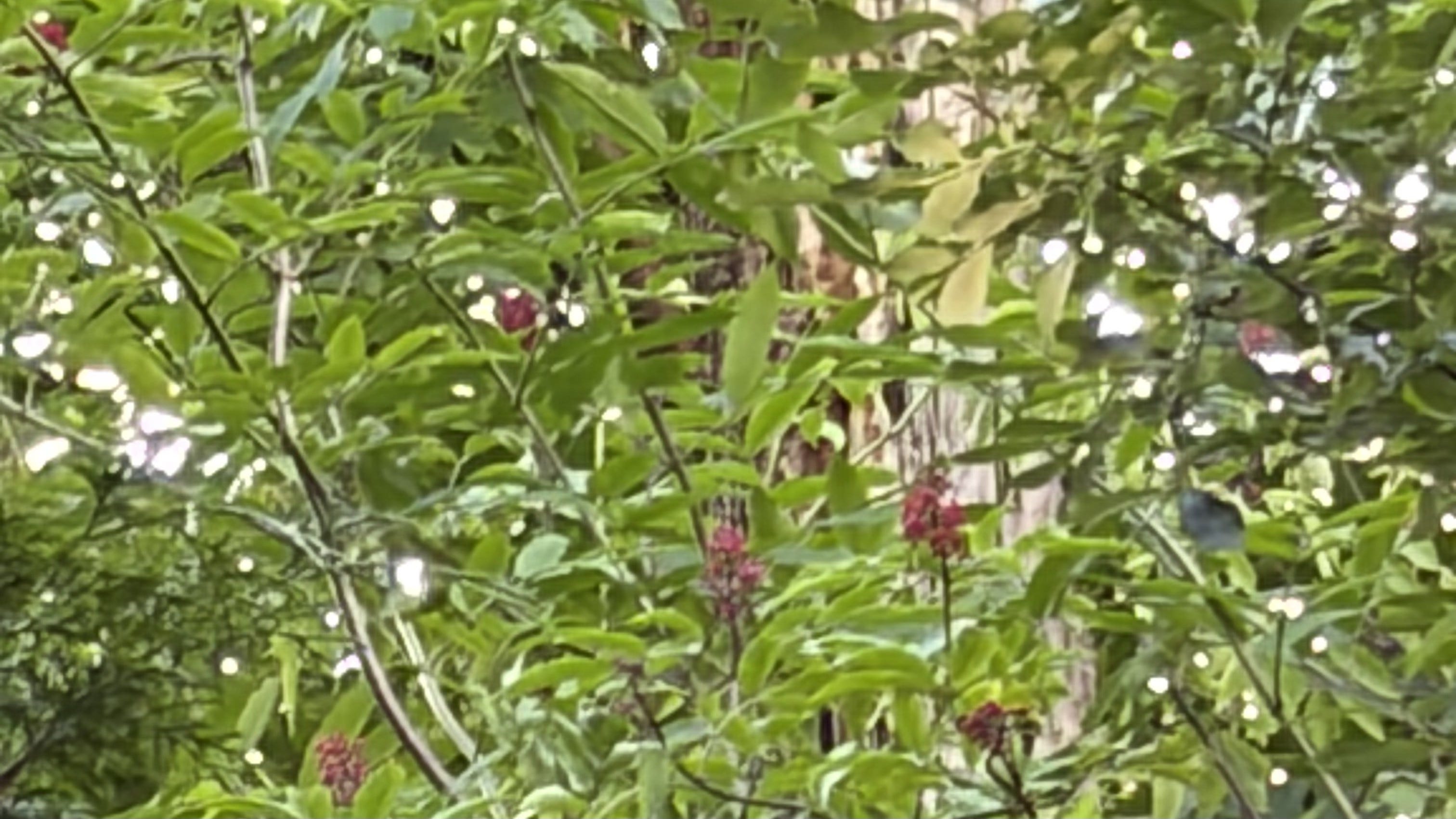
It was early. The dog needed to go out, and I hadn’t found my glasses yet.
I walked across the street, listening to the birds, looked up at the tree and saw a handful of house finches in the branches. Little round bodies, clustered together in the morning light. I stopped walking. Took out my phone and sent the photo to a fellow birder at work, the way you do when you’re proud of a good catch.
She was kind about it.
They were flowers.
Not birds. Not even close, really. Clusters of blooms that happened to sit in the shape of finches if you weren’t paying attention. I wasn’t.
It was a photo of flowers. It didn’t matter at all. That’s exactly why it’s worth sitting with.
Because the mistake wasn’t the misread. I heard birds. I expected birds. I saw birds. And then I quit looking, because certainty showed up before I ever thought to question it.
The same thing happens where it counts. Why a project slipped. What someone meant in a meeting. Whether a person is struggling or checked out. I get an early read, and once it feels solid enough, I stop.
Being wrong is survivable. I’ve had the practice.
What unsettles me is that certainty feels exactly the same whether I’m right or not. It doesn’t come with a warning label.
Where are you sure right now? Not hopeful, not guessing. Sure. Because you do this too.
Here’s what saved me at the tree. She told me. Easily, without making anything of it, because it was a photo of flowers and it cost her nothing to say so.
Most of my reads don’t get that. I walk in sure, I say it with a straight face, and now correcting me is a whole production. Somebody has to interrupt their boss, in front of everyone, to tell her she’s wrong.
And I make it worse than it has to be. I come in with the answer already formed and the reasons stacked behind it, and I talk first and I talk longest. I bring the data arranged the way that supports where I’ve already landed. By the time I stop, anyone who saw it differently would have to deconstruct the whole thing in public, with the room waiting, over a hunch they can’t quite prove yet.
Nobody does that. So the read stands, and not because it was right.
I can’t control whether I’m wrong, and I can’t make anyone speak up. What I can control is how hard I make it to correct me. That means telling them what I actually have, which is a first impression and not a conclusion, and then being quiet long enough for someone to tell me they’re flowers, not birds.
Wait for me a little, impression. Let me see what you are, and what you represent. Let me test you. — Epictetus, Discourses