

The Bridge
18 months ago, a bridge that had connected two communities for over 80 years was demolished. Here's what it taught me about accepting what I can't control.

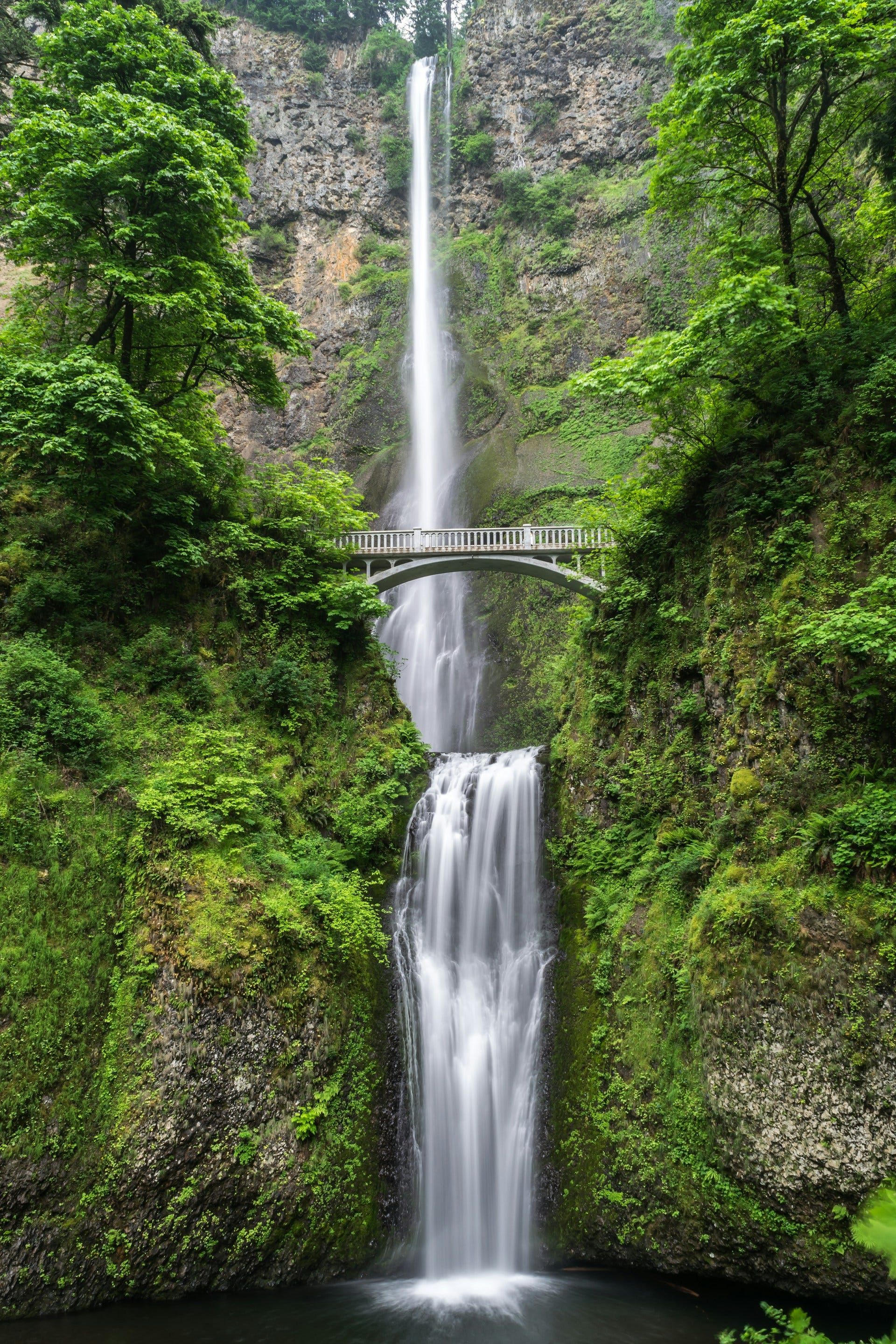
I was standing on a bridge that I had completely forgotten was being built. It was cold and windy. A local business was handing out free clam chowder with crackers.
18 months ago, a bridge that had connected two communities for more than 80 years, and served as the primary route I drove into and out of my neighborhood for 12 years, was demolished. The bridge had served its purpose and needed to be replaced. What could we do? Nothing. All we could do was accept it. But we had a choice in how we accepted it. We could have complained. We could have protested. We could have sent letters to our elected officials. We could have submitted opinion pieces to the Herald.
We decided that this was an opportunity. We lived in between two communities and for 12 years had predominantly headed one direction. What if we explored the other direction? So, we did that instead.
We looked for different things to do, for different places to eat, for different routes to get to the same places we needed to go. We discovered there is a bustling city to the east that we were largely avoiding. Once we embraced it, we found a better sense of belonging with this community. We started volunteering at the library, at the police department, even on some councils. We found we belonged on the east side just as much as on the west side. And we found that it wasn’t too hard of a mental shift. It made the next 18 months go much faster, and eventually, we were surprised that we could go west again.
How we accept our fate is a choice we each make.
I attended a neighborhood meeting several weeks before the bridge re-opened. At that meeting, the city planning office was sharing the good news of the planned re-opening. Most people seemed relieved. One person wanted to know why it took so long. She wanted to know if the city had done all it could to go faster. She kept asking. I could see that she hadn’t accepted this bridge closure. She hadn’t thought this could be an opportunity. All she could see was that something was being done to her and she was pissed about it. And even now, on the precipice of getting back the very thing she wanted, she couldn’t move forward. She still wanted to know why it was done the way it was done.
But the fact is, for most things, you will never fully understand why it happened the way it did. I find it’s much more important to understand that you can’t control the things you can’t control. And that the past is most certainly something you can’t control.
Standing on that bridge, I was struck by the permanence of it (this bridge will last 100 years) and the impermanence of it. In 100 years, other families will go through this same ordeal again. Who would you rather be? The person who appreciates the beauty of it when you’re traversing it? The person who gets to remember all the new discoveries you made while it was built? Or the person who still gets bitter when you see it, wondering why it had to last so long? It is your choice, which of those people to be.
It is within your control how you accept your fate.
“The willing are led by fate, the reluctant are dragged.” Cleanthes